Article · Sun
The Sun: What We Bring of Ourselves
The Sun in life, history and the twelve signs
Pavel Medvedev · Published:
Some days a person is busy from morning to night, yet cannot say what in that day was their own. They answered emails, followed instructions, helped, put things right. Much would not have happened without them. And still a question remains: what appeared here because of something I brought to it?
On another day, less work gets done. But a conversation produces a sentence neither person had been able to find. A drawing appears in the margin of a notebook. Someone thinks of an unexpected place for a desk in an awkward room. A small thing, yet it has a beginning: someone saw something, made a choice and gave it expression.
In the reading proposed here, the astrological Sun concerns this contribution of our own. What we bring to a world that already exists. It may be a painting, a solution, a story or a way of arranging a meeting. Size is not decisive. Nor is how loudly it announces itself.
Our own does not necessarily mean unprecedented. Two people may arrive at similar ideas independently. Conversely, we can own a unique object without having had any part in its conception. The Sun helps us ask where a particular feature of a work came from: why did it take this form, and what in it comes from its author's decision?
From light over the world to a voice of one's own
In the ancient hymn to Helios, the sun appears as a radiant deity travelling across the sky in a chariot. There is light, a world laid open to sight, the grandeur of a daily return. This image has a very different reach from today's discussion of self-expression: we first encounter an order of the cosmos, not advice on becoming more confident.
Ptolemy's astrology describes the Sun through heat and moderate dryness. This was a way of explaining the action of heavenly bodies on earthly life. When we read authorship into the solar image today, we are working with the symbol in a different language. It would be misleading to present that modern interpretation as the literal content of the ancient chapter.
Yet light itself offers an intelligible bridge. An illuminated object becomes distinct. We can see its outlines and notice what previously merged into the background. Something comparable happens in human life when a wish ceases to be merely inward and finds a sentence, a proposal or a form of its own.
In the teaching materials of Pavel Andreev's school, the Sun brings together wholeness, independence, creativity and the capacity to be the author of one's life. Sincerity is there too, along with the right not to build an entire existence around other people's approval. This turn is close to our concern: a person can be present in what they make, in their own name.
Two things nevertheless need to be kept distinct. A sense of personal worth does not have to be earned through works of art. You can create nothing on a difficult day and be no less worthy of love. And you can doubt yourself, blush before an audience and fear failure, yet still write your own music. Confidence supports creativity; it is not the only evidence that creation has taken place.
A child beneath an open sun
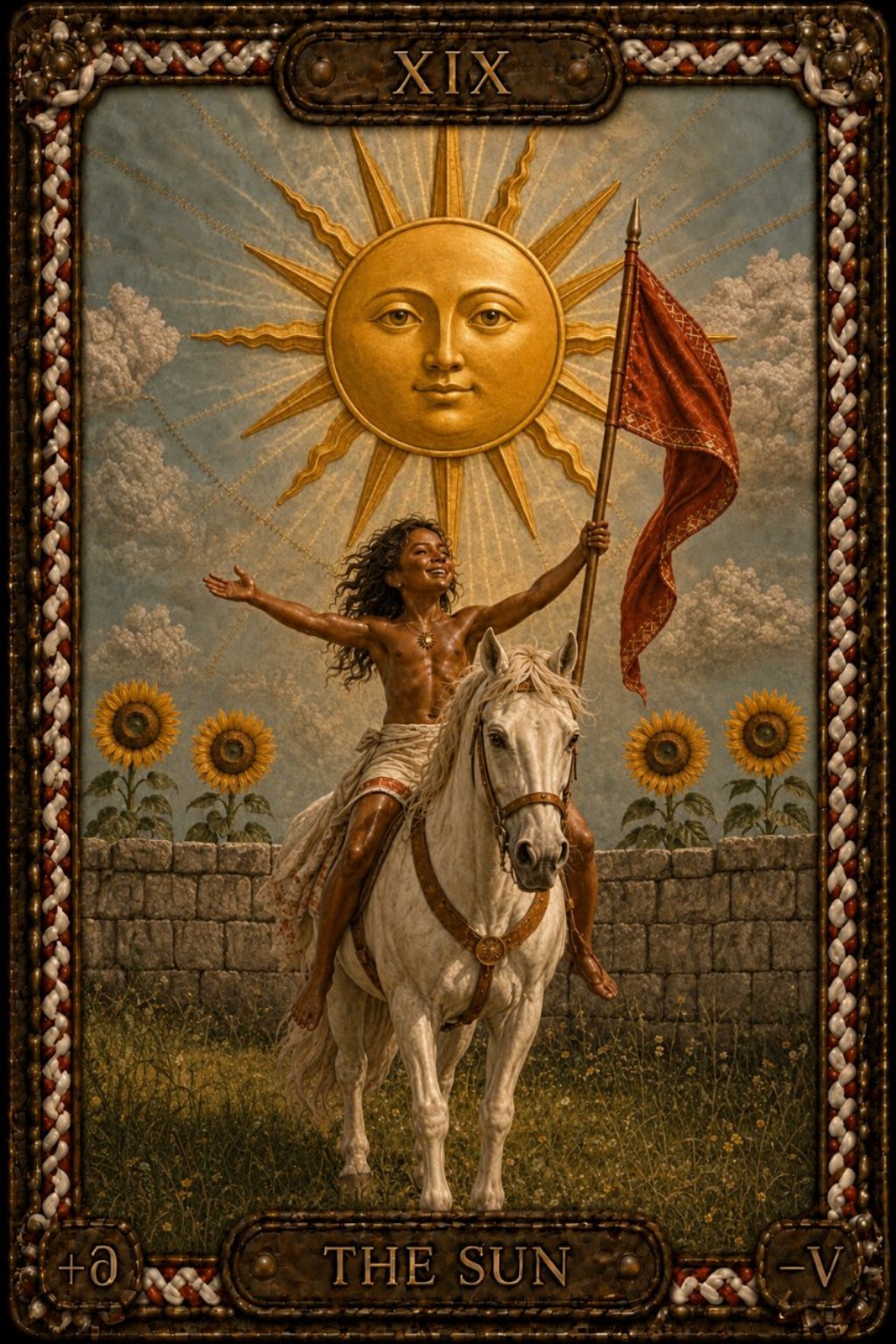
On the Sun card, a child sits on a white horse, one arm opened wide towards the world. Above is a great solar face; sunflowers rise nearby, and a banner is held in the other hand. There is no examining committee that must first grant the child permission to be there.
For our story, this openness matters more than a promise of unending happiness. Work of our own sometimes arrives awkwardly. A first story may be ponderous, a first song too close to a favourite tune. But someone is already trying to speak. There will still be learning, revision and the task of distinguishing a master's influence from a choice of one's own.
The solar should therefore not become a demand to shine at all times. The child on the card recalls a simpler right: to contribute something before we know how it will be received. Openness guarantees neither success nor freedom from responsibility for what we make.
What Marina brings to music
In the articles on Jupiter and Neptune, we met Marina, a pianist whose musical life seeks a way forward after her familiar circumstances change. Let us imagine the story continuing. She now works with students and is preparing a small evening event at a library.
A room and some available hours make the evening possible. Here we hear Jupiter. The music Marina recognises in someone else's playing brings us back to Neptune. But one day she proposes a different programme: let the audience first hear a short phrase, then show how that same phrase changes meaning with a different continuation.
She chooses the works, writes the transitions and devises the sequence. We can now ask a separate question: what in this evening came from her decision? Her contribution lies in the arrangement of the evening as a whole, rather than in the mere presence of a stage or a love of music.
A librarian is working alongside her. She suggests placing listeners' letters between the pieces, and Marina reshapes the programme. The evening now has two authors. Recognising a contribution of one's own does not require claiming the entire work or making collaborators invisible.
Later they will discover whether the audience understands the idea, whether there were enough rehearsals and whether others can repeat the event. These are all substantial questions. But authorship does not begin only after the last favourable answer. A definite composition already exists in which two people's decisions can be recognised.
Twelve signs: twelve places for a contribution of our own
Here the signs help us change the circumstances of the question. A proposal at the beginning of a venture differs from a contribution within an established family. Finding a sentence of one's own differs from putting an entire work together. We will move among these situations without turning them into twelve fixed types of people.
The Sun in Aries
At the neighbours' first meeting, everyone agrees that the courtyard needs new life. There are plenty of suggestions: a celebration, flowers, a playground. Vera says, “Let's start with a Sunday table where everyone brings something they know how to repair.” She explains how neighbours who do not know one another could meet through working together.
Her contribution is already there in the proposal. The table has no legs yet, the date is unsettled and no invitations have been sent. But the beginning of the venture has acquired a definite idea, proposed by Vera. Others may dislike it; it will still have been her proposal.
If Vera is the first to open the door for the meeting, that is a step carried out, appropriately considered alongside Mars. If she merely repeats someone else's ready-made idea, being the first to voice it in this courtyard is not enough to establish authorship. The solar question concerns what she herself proposed and how she gave it form.
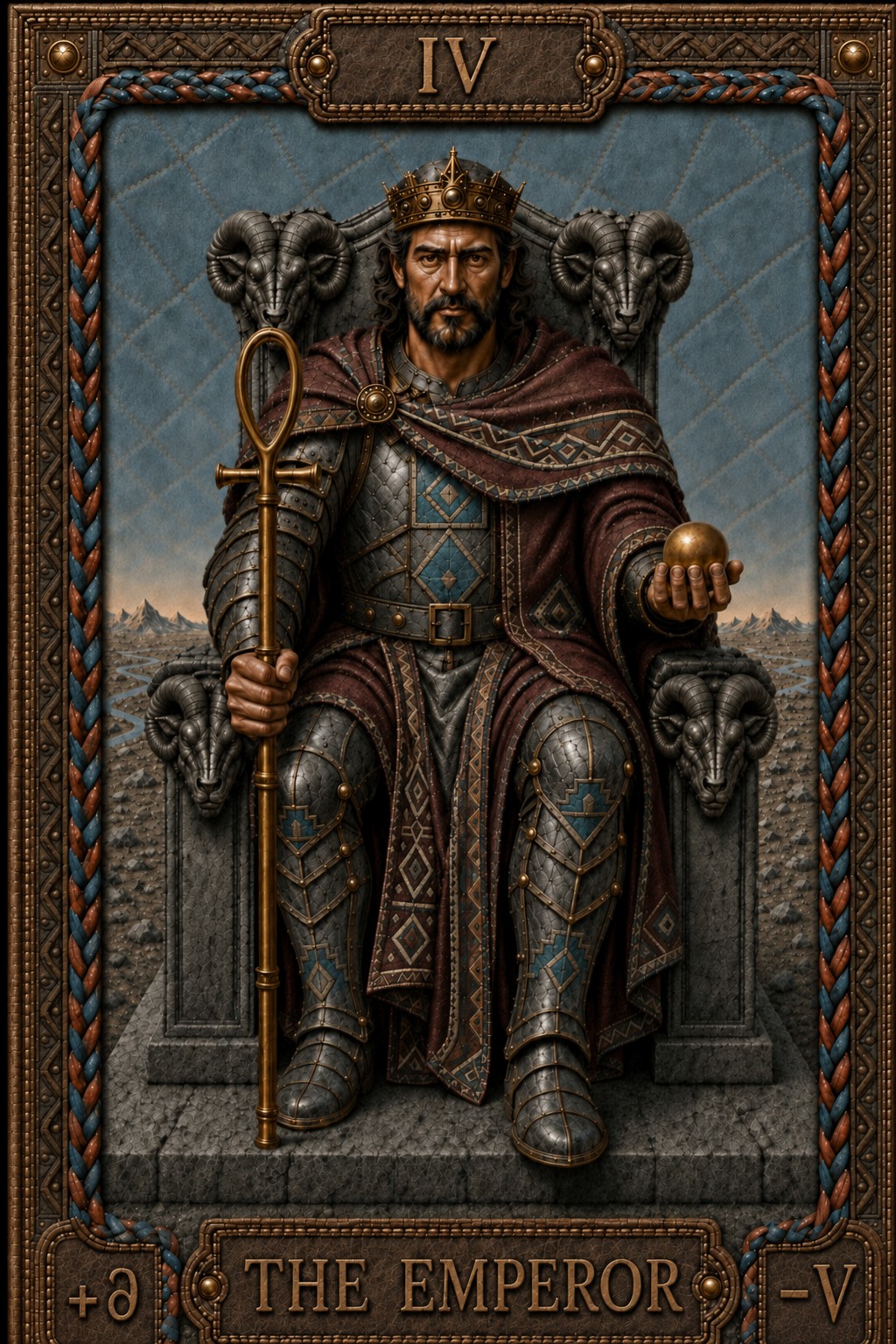
Aries beside the Emperor lets us see a beginning that has acquired its own outlines. There is no need to command everyone. Sometimes it is enough to be the first to say a definite “Here is what I suggest,” leaving others free to answer.
The Sun in Taurus
A carpenter makes a stool from an old pattern. He chooses the wood carefully, joins the pieces evenly and spends hours sanding the surface. The work requires skill. But doing it personally does not yet tell us which features of the stool arose from his own decisions.
Then, for a tiny kitchen, he devises a seat that can hang on the wall with its folding support. He changes the joint several times until the object takes the form this particular room needs. Now his contribution can be shown: here is a solution that was absent from the original pattern.
It need not be the first such device in the world. And if the object is still awkward to use, authorship does not vanish: he has an unsuccessful piece of his own work to improve. Fitness for use belongs to another question, associated with Saturn. Whether it has enlarged what is possible in the little kitchen can be considered alongside Jupiter.
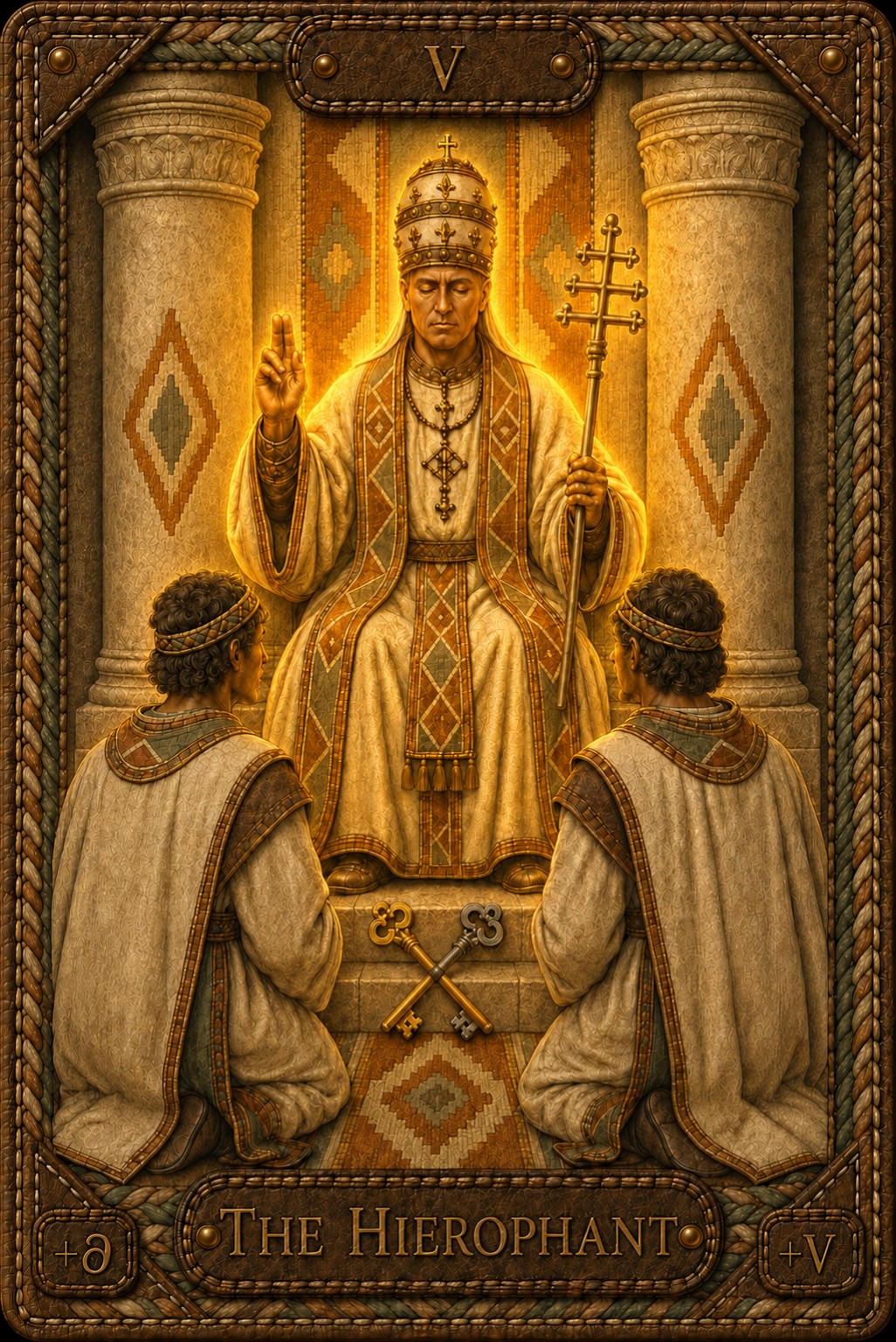
The Hierophant recalls a craft learned from others. What is our own does not come out of nothing. It can grow within inherited skill when someone goes beyond following a pattern and answers a particular need with a decision of their own.
The Sun in Gemini
Marina is asked why anyone should listen to the same work several times. She could repeat a familiar explanation about details of performance. Instead she remembers a conversation with a friend: sometimes it is only at the second meeting that you understand what question the other person was trying to ask at the first. This comparison becomes her introduction to a concert.
The thought has found an expression for which Marina herself can be approached. A listener may ask where the comparison helps and where it stops working. Authorship does not shelter the sentence behind an imposing “That is what people say.”
Yet a remark of one's own does not guarantee understanding. You can say something deeply your own and leave the other person bewildered. Mercury helps us check what they actually heard. Uranus becomes relevant if the conversation changes the distinction between cases, rather than simply finding new words for something already understood.
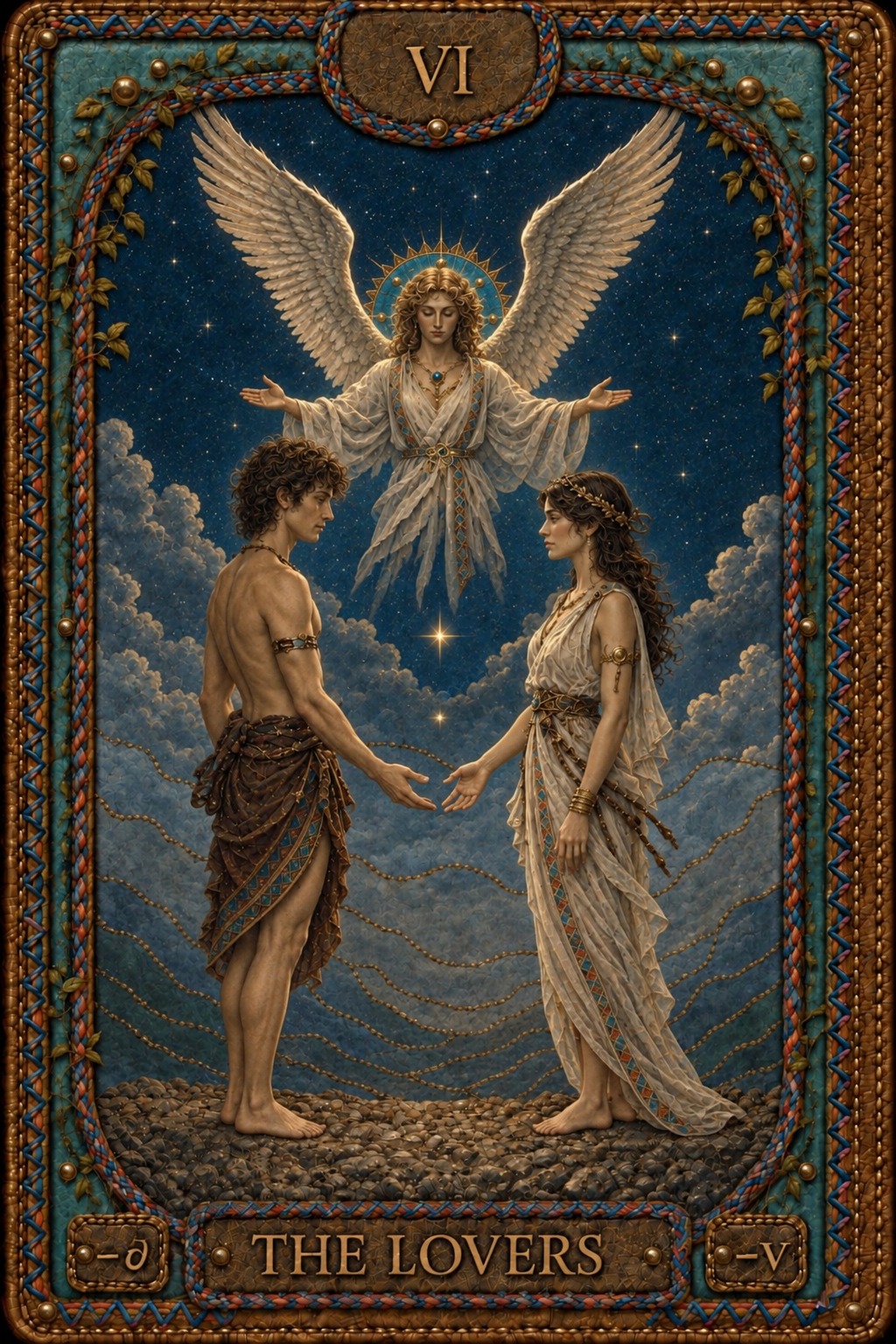
The Lovers place separate participants side by side. Each can offer an answer of their own, and the conversation can produce a thought found together. Making it shared does not require erasing who contributed what. Sometimes a good conversation continues precisely because its voices remain recognisable.
The Sun in Cancer
Liza helps her family care for an elderly relative. Everyone tries, but information gets lost: who has already visited, what they promised to bring, which question has been left until tomorrow. Liza devises a simple handover sheet with three clear sections and tries it out with her relatives.
Her contribution can be distinguished from taking part in the care itself. She might have spent a deeply attentive evening with her relative, and that would have mattered. Here, though, she has found a way to connect separate visits so that the next person does not begin in confusion. The others amend the awkward parts, and the solution gradually becomes shared.
Care does not have to leave behind a sheet, an object or an instruction every time. A solar contribution might be an original story told to a child or a family custom someone invents. But “Everyone feels calmer when I am here” is not enough to identify authorship: it primarily describes people's response to a presence, something close to the Moon.
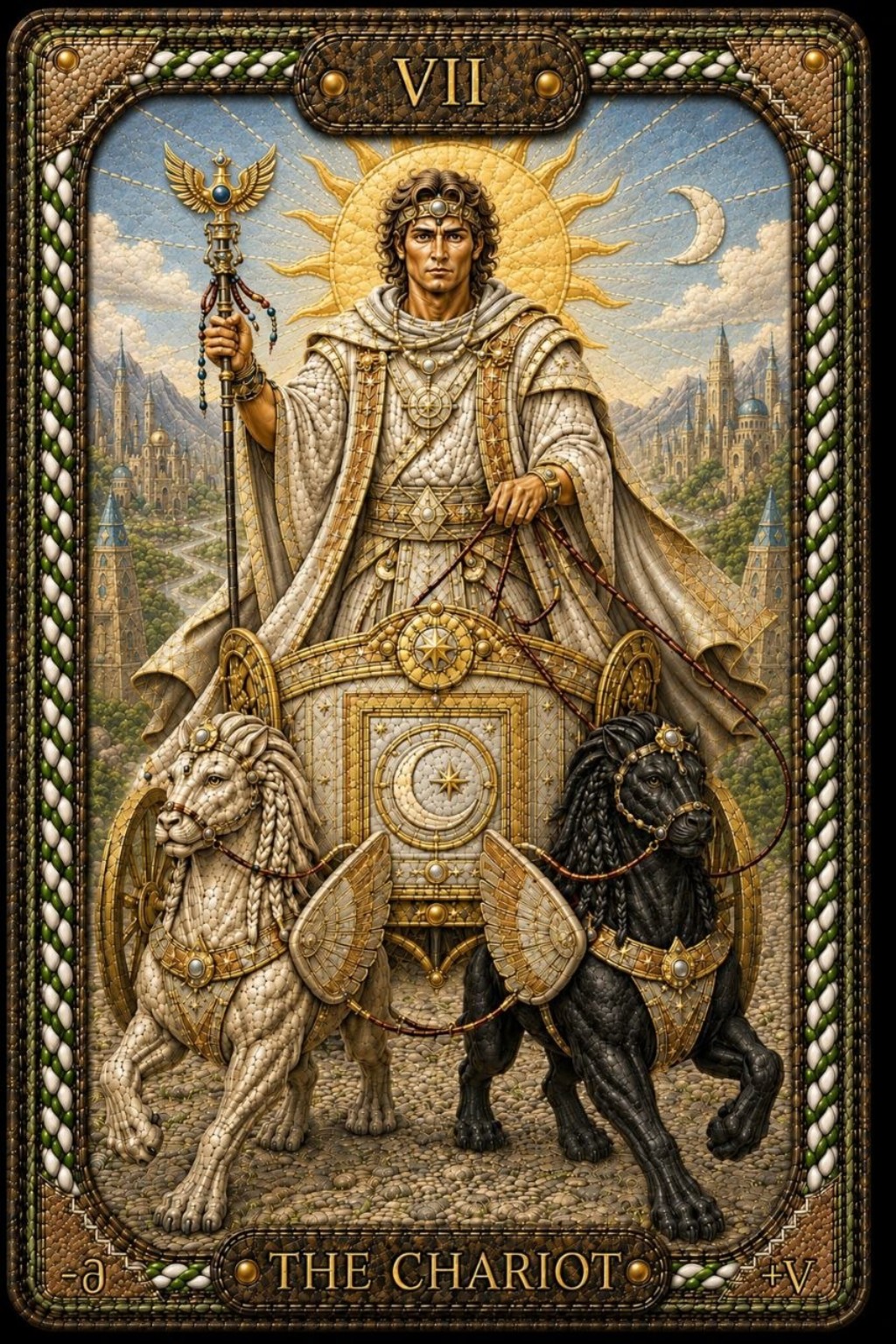
The Chariot helps us hold a shared movement in view. Here something of one's own emerges within closeness and can be taken up by others. Liza does not thereby acquire a permanent right to decide for everyone simply because she once proposed a useful form of care.
The Sun in Leo
Marina writes a short musical story. She wants one melody to sound like an answer to another. She changes the order of the fragments, removes an over-obvious transition and leaves an unexpected pause. Nobody has heard it yet.
Her own work already exists. Its solar quality does not begin with applause. If the audience remains indifferent, she will need to understand why the story failed to reach them. But a lack of recognition cannot retrospectively make all the author's decisions disappear.
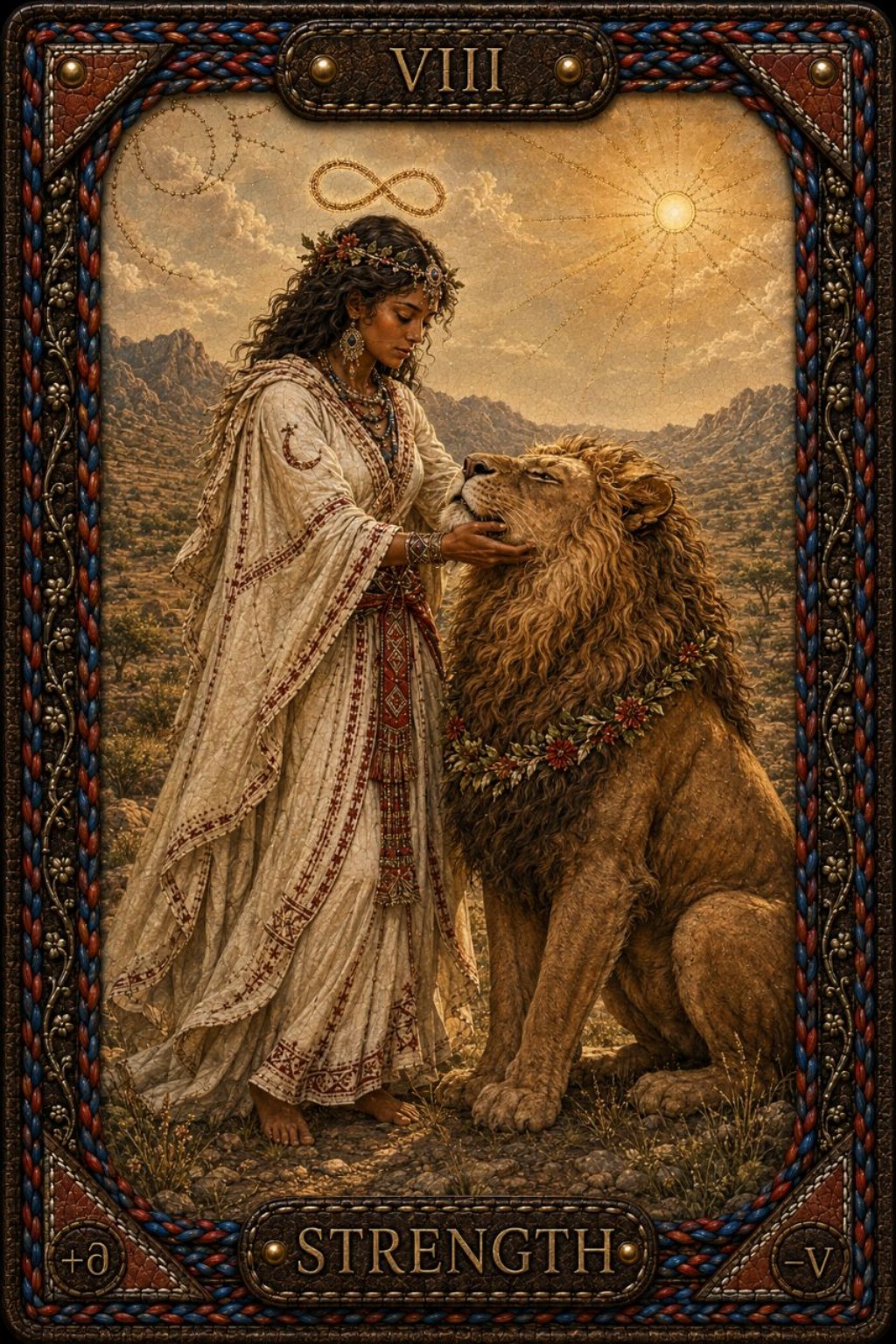
Strength beside Leo lets us see someone sustaining an idea through the work, without replacing it with a display of confidence. Sometimes Marina rewrites a successful phrase that nevertheless feels alien to her intention. Sometimes she accepts a student's advice. Having a voice of one's own does not mean never listening to anyone.
An important distinction from Venus follows: “I like my work” and “It contains my contribution” are not the same. An author may dislike what they have made, while a spectator may love a work they did not create. These relationships to a work can meet, but each has its own meaning.
The Sun in Virgo
At the library, an older reader struggles to turn the pages of a heavy art book. A standard stand supports the book, but the pages still fall back. A member of staff makes a soft, removable page holder that leaves the image visible and can be taken off with one hand.
She has done more than conscientiously follow a general instruction. Her solution answers a feature of this particular use. We can point to what she devised, why she chose that shape and what she changed after the first trial.
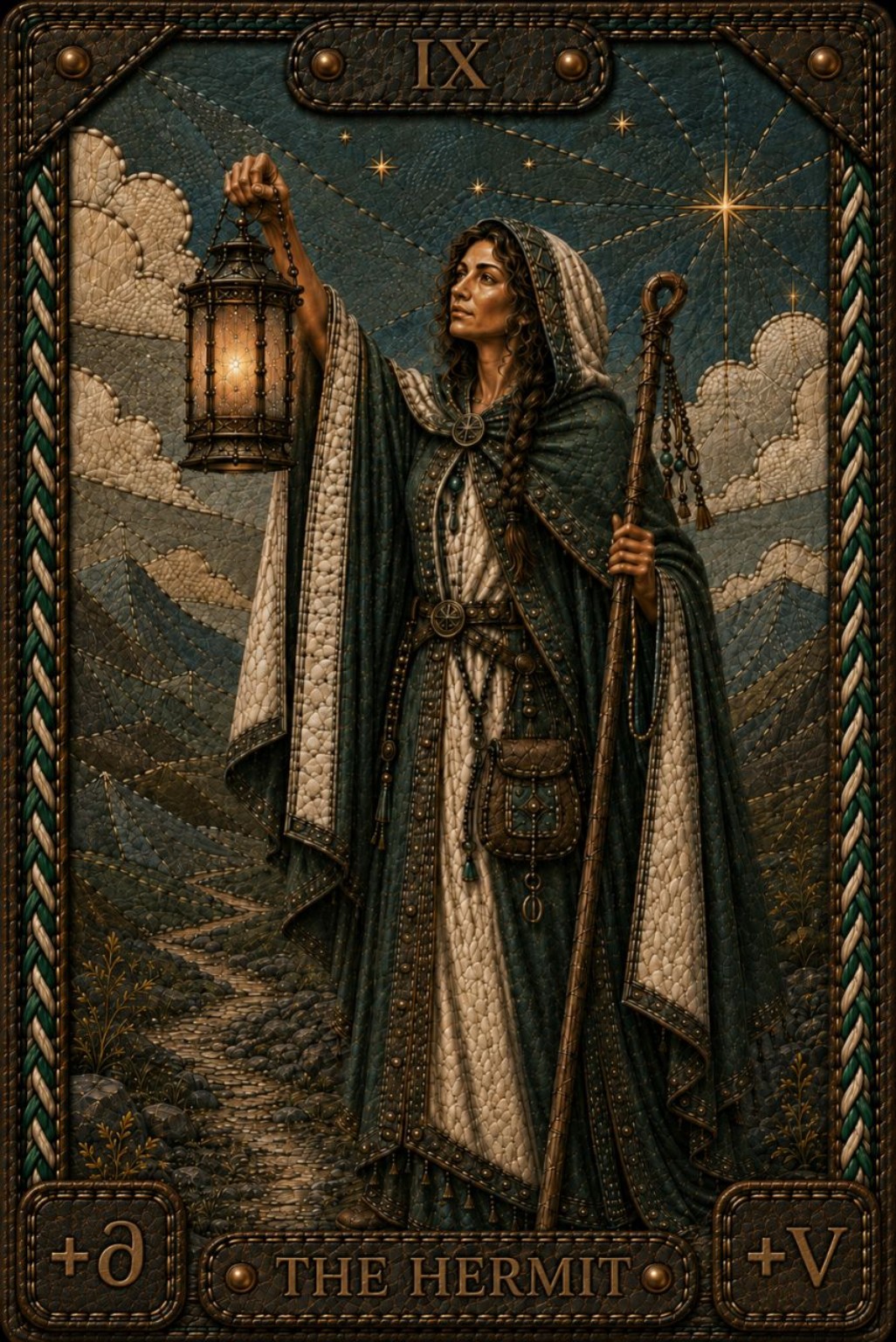
The Hermit helps us look closely enough at a small case. What is one's own need not be spectacular. Yet not every correction should automatically be called an invention. If she fitted a standard part exactly as instructed, the work could be excellent without crediting her with someone else's design.
Uranus would concern a new way of distinguishing the causes of difficulty. Saturn would concern deciding which books the holder has been tested for. The Sun lets us see her own solution separately, even while it still needs testing and explanation. A small useful object need not pretend to embody every achievement of human thought at once.
The Sun in Libra
Two illustrators are preparing a joint exhibition. One proposes hanging the works chronologically; the other suggests pairs in which they answer the same question differently. Her proposal changes the exhibition's possible shape, but it is not yet a shared decision.
She shows a few such pairs and explains the idea. Her collaborator may agree, object or suggest a third approach. A contribution of one's own does not disappear because it needs discussion. Rather, it becomes definite enough to encounter someone else's answer.
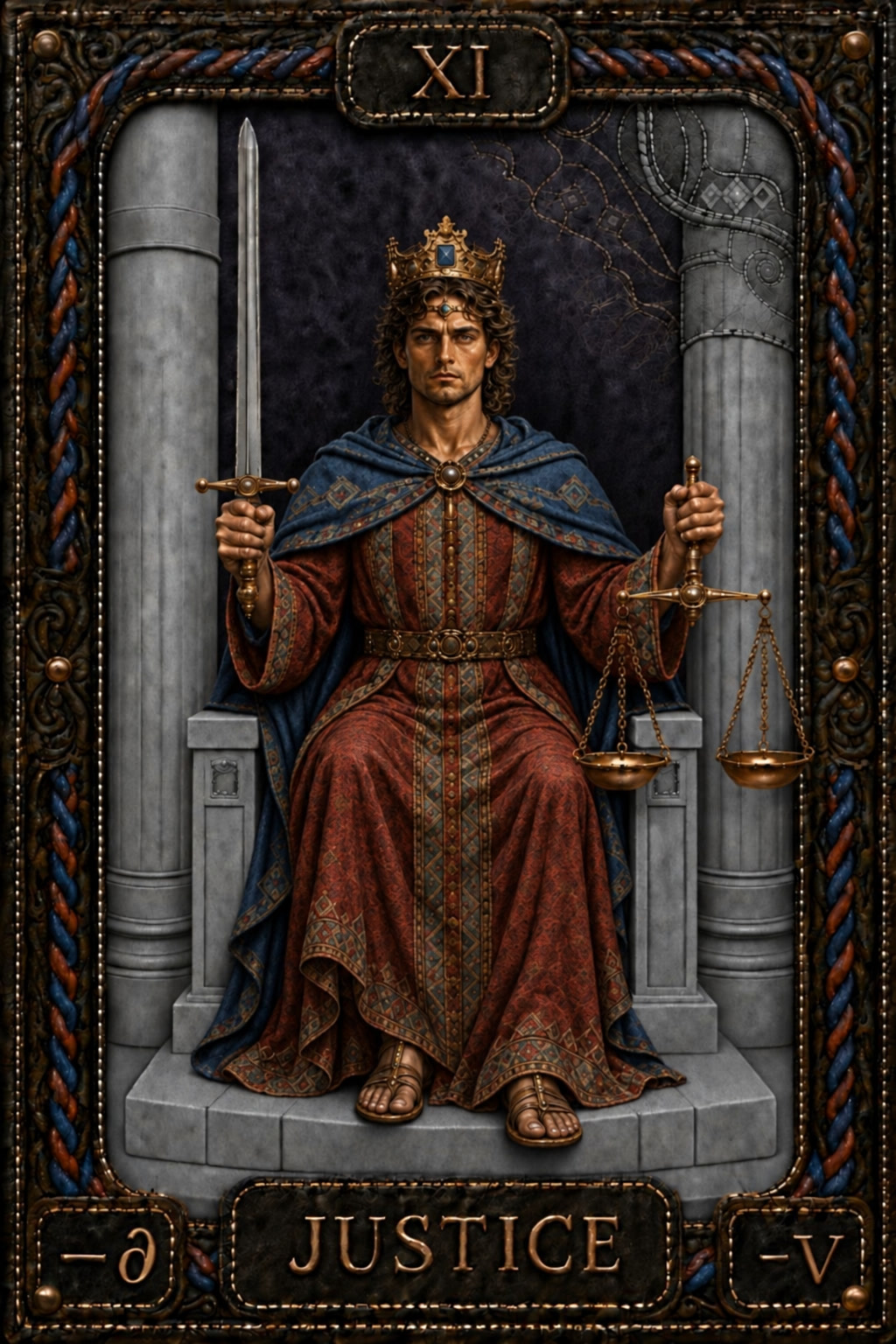
Justice helps distinguish “I proposed it” from “We agreed.” Authorship of an idea does not entitle someone to attribute consent to a partner. If the proposal changes through their work together, they can honestly acknowledge that the final composition belongs to both, without pretending it originated entirely in one person's mind.
Venus appears in what each person values in the exhibition. Saturn appears in the agreement they adopt about its arrangement. The solar element lies in a definite proposal of one's own offered to another. Having a voice in a relationship requires neither dissolving into the other person nor defeating them.
The Sun in Scorpio
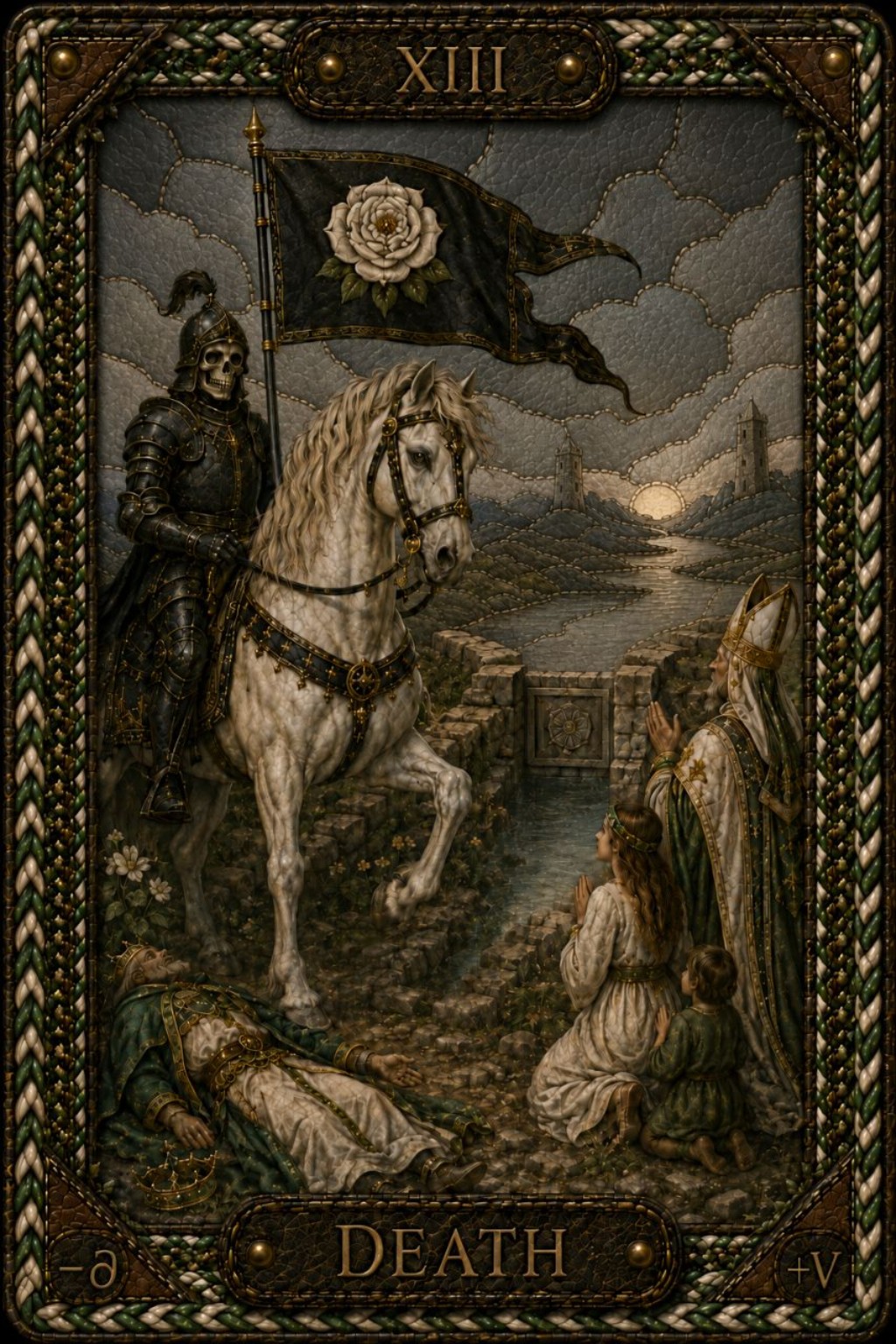
The building where Marina performed for many years closes. At first, any talk of something new irritates her: it feels as though she is being asked to turn the loss into a useful lesson immediately. But one day she begins recording short musical letters to former listeners.
She chooses the form herself: a brief excerpt, a story about its performance, a question for the person on the other side of the recording. This is her response to changed circumstances. It does not have to replace the old hall or prove that the loss was for the best.
Death beside the Sun makes visible a contribution that appears after a particular form of life has ended. The ending itself composes nothing on a person's behalf. Even an intense experience is not yet an expression of one's own, though it may become its difficult source.
Neptune helps us ask what in these letters continues the earlier musical life. Pluto asks who now determines access to listeners. The Sun allows a separate hearing: this is what Marina has chosen to say for herself. New work may preserve the old, argue with it or move away from it; its authorship does not depend on obligatory loyalty to a former shape.
The Sun in Sagittarius
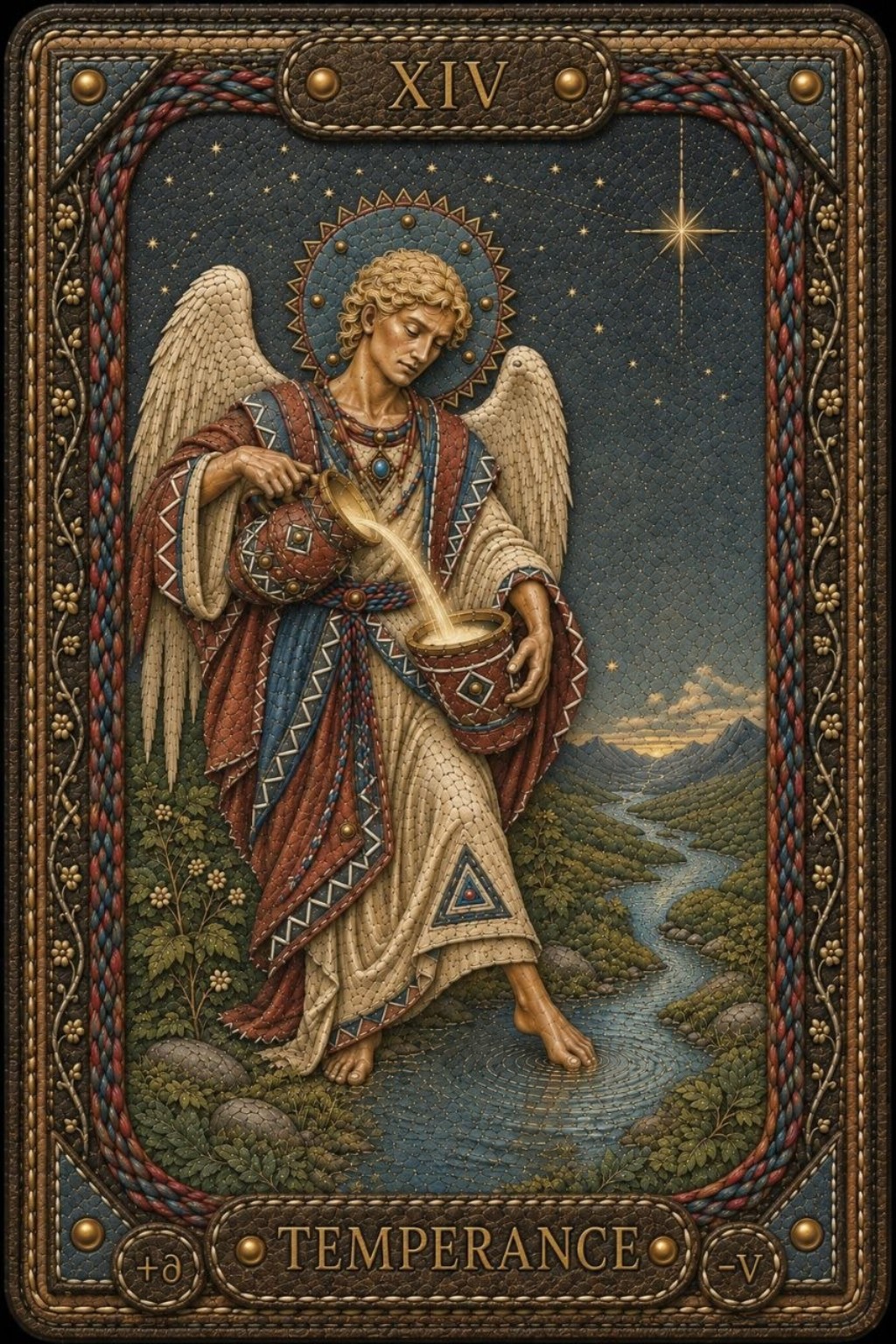
After several library evenings, Marina realises that she wants to explore a particular question: how do people recognise familiar music after a long separation from it? She proposes a series of meetings and devises a way to begin the conversation with listeners.
The direction has become an expressed intention of her own. It is not yet clear whether there will be money for the whole series or whether the question will lead to interesting answers. That does not prevent us from identifying her contribution: she chose what to follow and gave the search a definite course.
Temperance helps us imagine a movement in which different meetings are connected. But a long journey does not become an original undertaking merely because of the distance. Someone can travel a considerable established route, faithfully following another's programme. Someone else can remain in the library and propose a path of inquiry of their own.
Jupiter concerns the continuations that are actually available. Neptune concerns preserving what makes the journey matter. The solar question in Sagittarius concerns a direction of one's own that a person has managed to express. It need not immediately become a worldview for everyone else.
The Sun in Capricorn
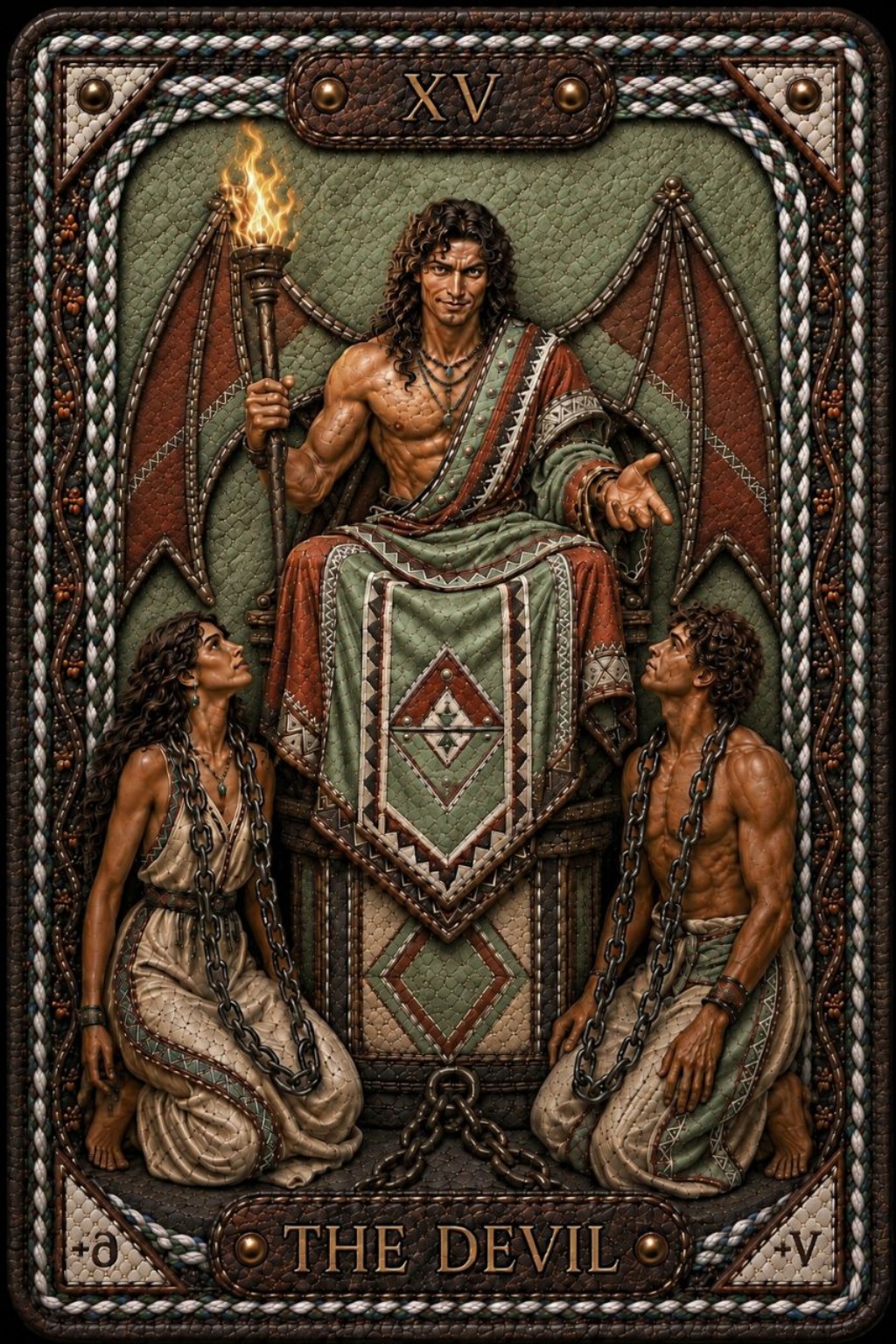
An exhibition has its drawings, captions and room ready. Yet visitors cannot see why they should move from one wall to the next. The curator proposes an arrangement for the whole: the first room asks a question, the second presents conflicting answers, and the last leaves space for the viewer's own choice.
His contribution lies in the relationships between parts that already exist. He does not become the author of every drawing, nor need he pass other people's work off as his own. What he has created can be named quite precisely: a sequence, transitions, a way for different works to meet within one exhibition.
The Devil draws attention to the ties holding the arrangement together. Sometimes they make the work expressive; sometimes they subordinate every object too rigidly to the curator's idea. An original arrangement may fail; authorship does not exempt it from that judgement.
Pluto asks who has the right to determine the arrangement and whether the artists can object. Saturn asks whether the exhibition is ready for visitors. The Sun lets us identify the conception of the whole itself. A managerial position does not guarantee that such a conception is one's own: someone may direct the preparations while faithfully realising an arrangement devised by another.
The Sun in Aquarius
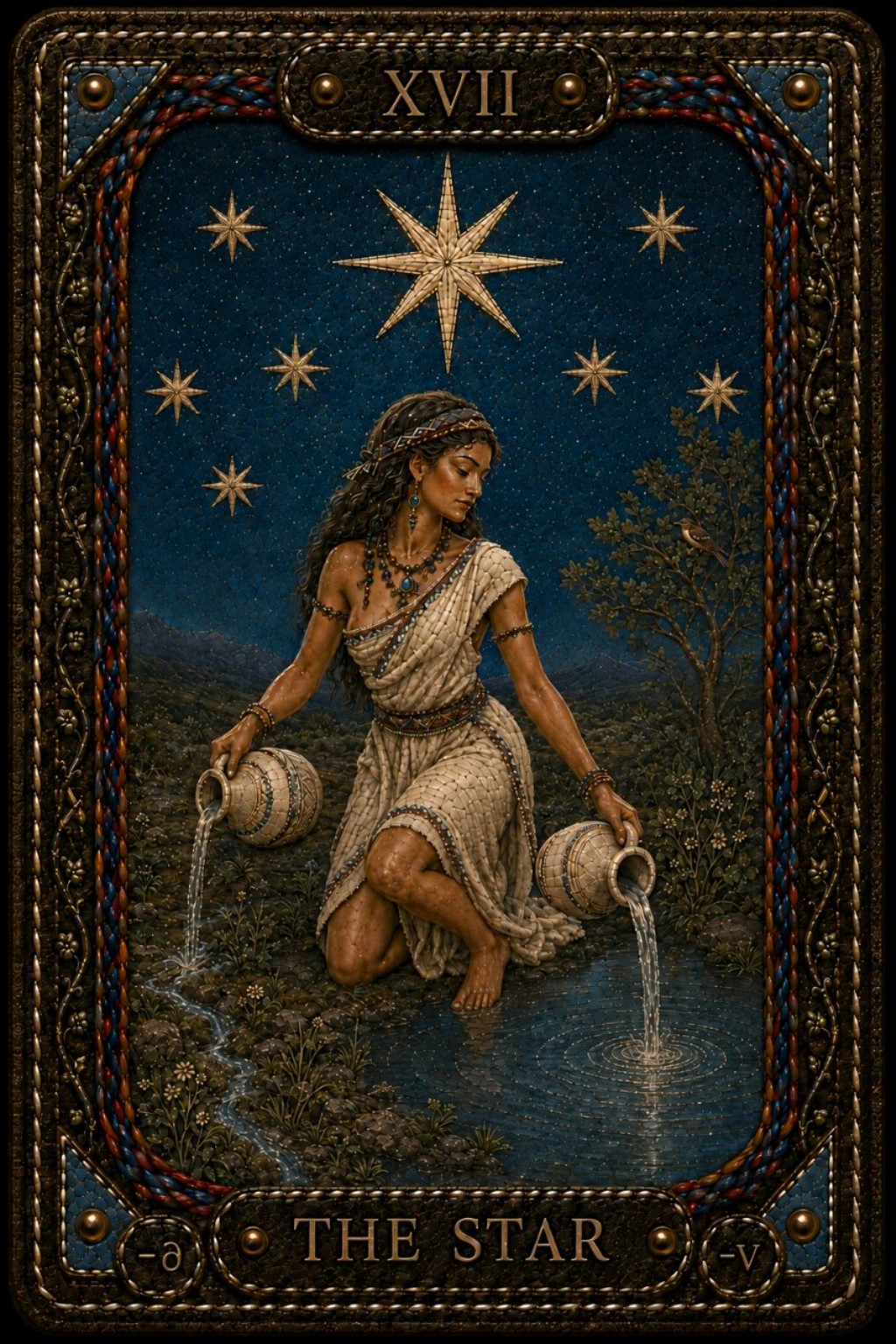
Several libraries hold musical gatherings. Marina proposes a shared format in which each venue retains its voice: a short account from a local listener, a piece of music in response and an open question for the next library. She prepares the first example and explains what can be changed.
Her contribution enters a shared practice without requiring identical performances. One town may bring in a choir, another a recording of an old family piano. These continuations will have authors of their own. The common format does not reduce them to Marina's instruments.
The Star helps us imagine work addressed beyond the immediate circle. Yet a large number of participants proves neither an original intention nor its success. A thousand identical forwards may spread someone else's idea; a small group may create a definite new proposal together.
Jupiter appears in the gatherings' achievable reach. Uranus appears in a new basis for recognising kinship between previously separate projects. The solar question remains down to earth: what exactly did Marina contribute, and what did others contribute afterwards? Shared work becomes richer when it does not require each participant to be nameless.
The Sun in Pisces
Liza finds family letters and writes a story about her grandmother. Gaps remain between the documents. She chooses the order of episodes, connects known events and, where she offers a conjecture of her own, does not pass it off as a recovered memory.
The story rests on two different things: surviving testimony and Liza's work. Her authorship lies in composition and expression; it does not entitle her to put any beautiful sentence she likes into her grandmother's mouth. The more clearly these elements are distinguished, the more freely the story can be read without false certainty about its documentary status.
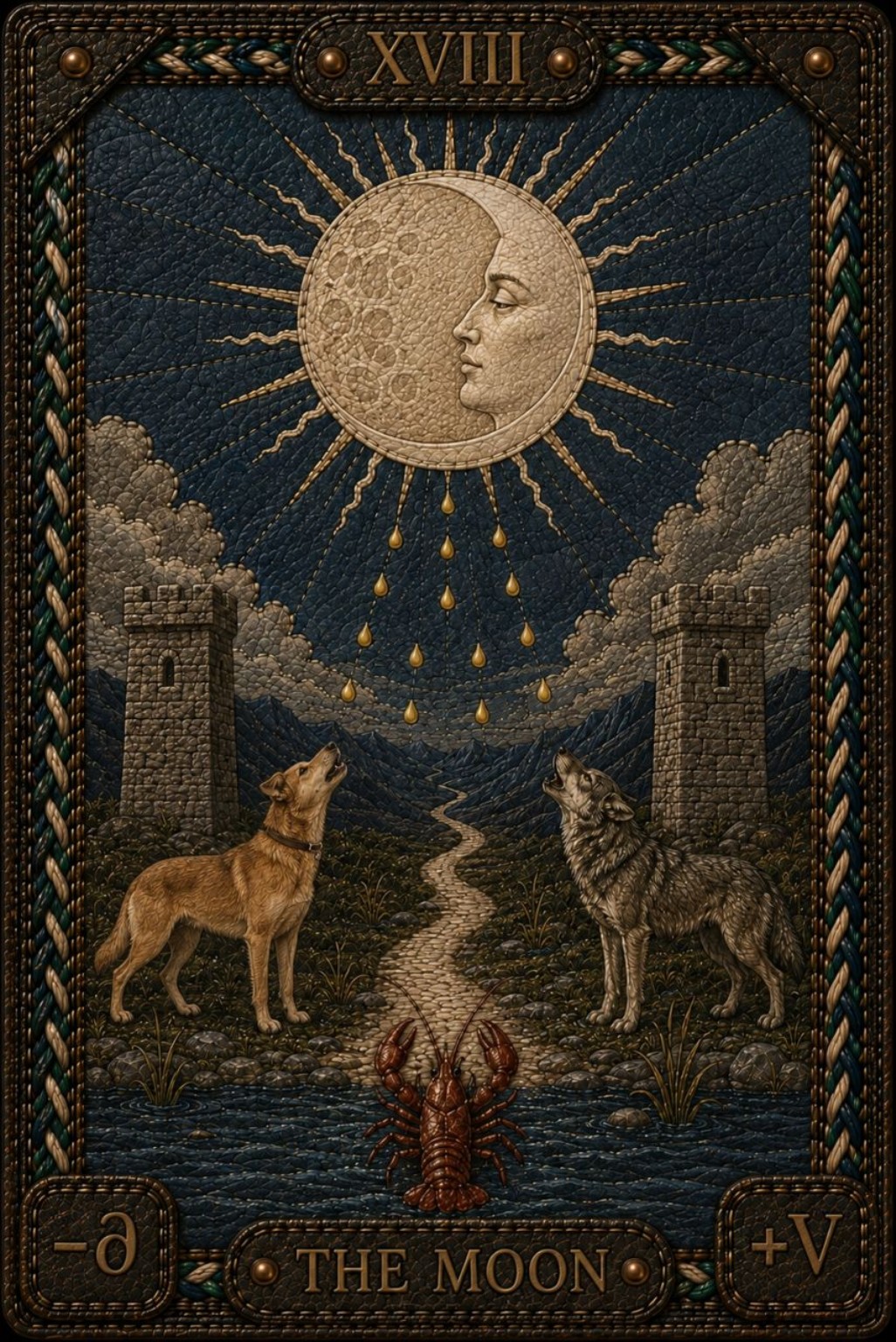
The Moon, as the card of Pisces, brings us into a realm of incomplete visibility. Here a voice of one's own is especially easy to confuse with the voice one is trying to recover. Neptune asks what allows the family history to remain itself in the new account. Mercury asks whether readers understood the difference between a letter and a conjecture.
The Sun lets us recognise the storyteller's own work without appropriating another person's life. We can honestly say, “Here is what I was able to find out, and here is how I brought it into a story.” Such clarity does not make the story drier. It leaves room both for memory and for the living voice speaking now.
What is our own need not take up the whole world
Vera proposed how a meeting might begin. The carpenter found a solution for a cramped kitchen. Liza connected separate visits to a relative, and Marina connected separate musical fragments. In each case, something of their own appeared among objects, language, knowledge and relationships that were already there.
Solar authorship therefore does not require being the cause of everything. We can name our contribution, acknowledge other people's help and see the limits of our decision. The work becomes no less our own. It simply acquires a more truthful account of its origins.
Nor must every hour lived become proof of creative achievement. Rest, care following a familiar pattern and the attentive performance of another person's music have value of their own. The Sun asks a particular question; it does not pass judgement on everything that answers a different one.
When Marina faces the listeners, she does not yet know whether they will enjoy the evening. But she can name what she has brought: this sequence of music, this transition, this question. Others will meet it in their own way. Perhaps the encounter will produce the next shared idea.
Something of our own begins with a simple enough movement: I saw it this way, and I found a way to give it a place in the world.
The author's model and Marina's original story appear in Pavel Medvedev's book Where Astrology Came From (Russian edition). The new episodes here continue her story as imagined examples.